Episode 5: Baked Macaroni and Cheese (1973)

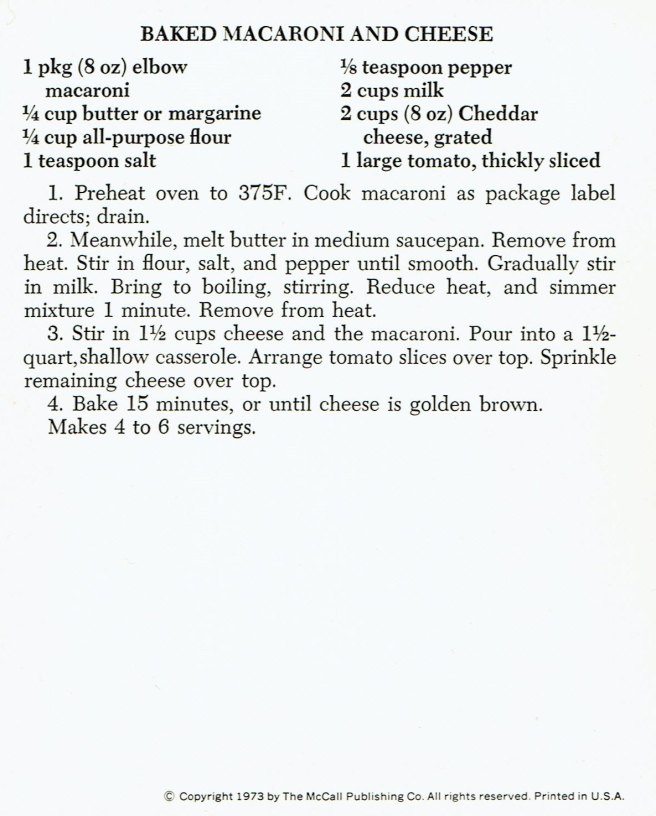
In this episode, I celebrate my annual Macaroni and Cheese Day by making a delicious batch of baked macaroni and cheese from the 1973 McCall’s Great American Recipe Card Collection.  This episode discusses the possible origins of cheese, how cheese has changed through the ages, a little bit of science, some archaeology, and Charlemagne’s reaction to blue cheese the first time he ate it.

DSC_0404
You can’t go wrong with a slightly patriotic recipe card collection in which there’s a recipe for a clown ice cream sundae!

Baked Mac and Cheese 1

Baked Mac and Cheese 2

DSC_0237
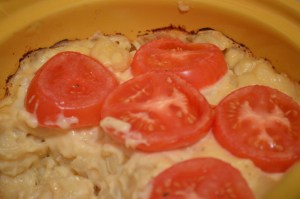
The finished dish.  I forgot to take a picture until after the first serving was extracted, but it’s better than nothing.

Learn more about the prehistoric cheese strainer:
http://www.npr.org/sections/thesalt/2012/12/13/167034734/archaeologists-find-ancient-evidence-of-cheese-making

Harold McGee’s On Food and Cooking:

Episode 4: Apple Bread from the Betty Crocker Recipe Card Library (1971)

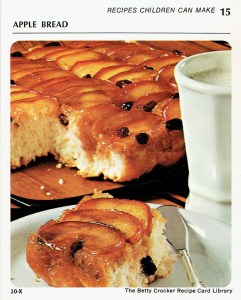
Recorded on Superbowl Sunday, Lisa makes an embarrassing confession as she bakes Apple Bread from the Betty Crocker Recipe Card Library.  While cooking she talks about the difference between enriched bread dough and having inclusions in the bread.  She also talks about the history of Betty Crocker and theorizes why recipe cards indexes became so popular in the 1970s.

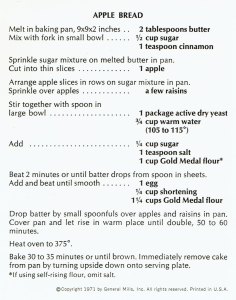
Apple Bread 1 Apple Bread 2

The original recipe card.  I would reduce the baking time just slightly.  My apple bread was a little over baked even though I only baked it for 30 minutes.

DSC_0216

Turning the bread out onto a plate was a bit scary, but it came out ok.  If you make the dish, remember to run your knife around the perimeter of the cake to help separate it from the baking dish.

DSC_0219

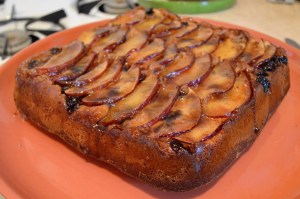
My apple bread doesn’t look nearly as nice as the one in the original picture, but I blame that on it being a bit over baked.

DSC_0222

It may not be pretty, but it sure is delicious.  I couldn’t remember the name of the apple I used when I recorded the episode, but I checked later.  They were gala apples.  They had a slight tartness which worked well with the sweet caramel.

Episode 3: Seven Seas Casserole (1955)

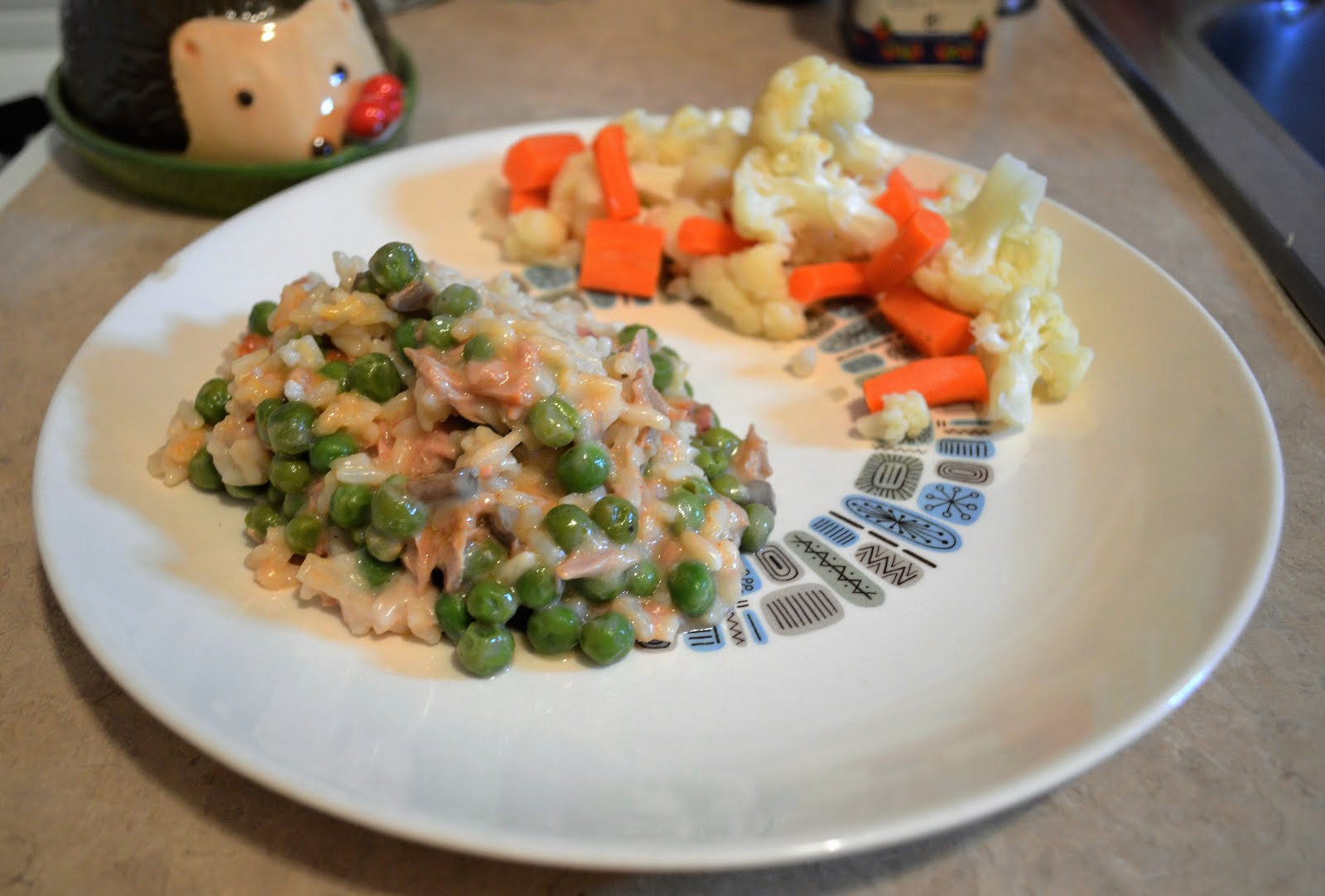
Since it’s officially Lent, I thought that I would cook up some tuna casserole.  This recipe was originally developed by Minute Rice in the mid-1950s.  It appeared in Time Magazine in 1955 and on the back of Minute Rice boxes starting in 1957.  I initially found the recipe in Ceil Dyer’s book Best Recipes from the Backs of Boxes, Bottles, Cans, and Jars which was published in 1979.  While cooking, I talk about the different types of food preservation and the history of canning.

The original advertisement/recipe published in time magazine.

I found the recipe in this book.

After the first 10 minutes in the oven.  Doesn’t it look appetizing?
So many peas.
One plus side of this recipe is that there was minimal mess.

Episode 2: Flaky Biscuits from Microwave Cooking for One (1986)

In this mini-episode, I make Flaky Biscuits with a recipe from the book Microwave Cooking for One.  While making biscuits, I talk about the science of flaky, golden brown biscuits.

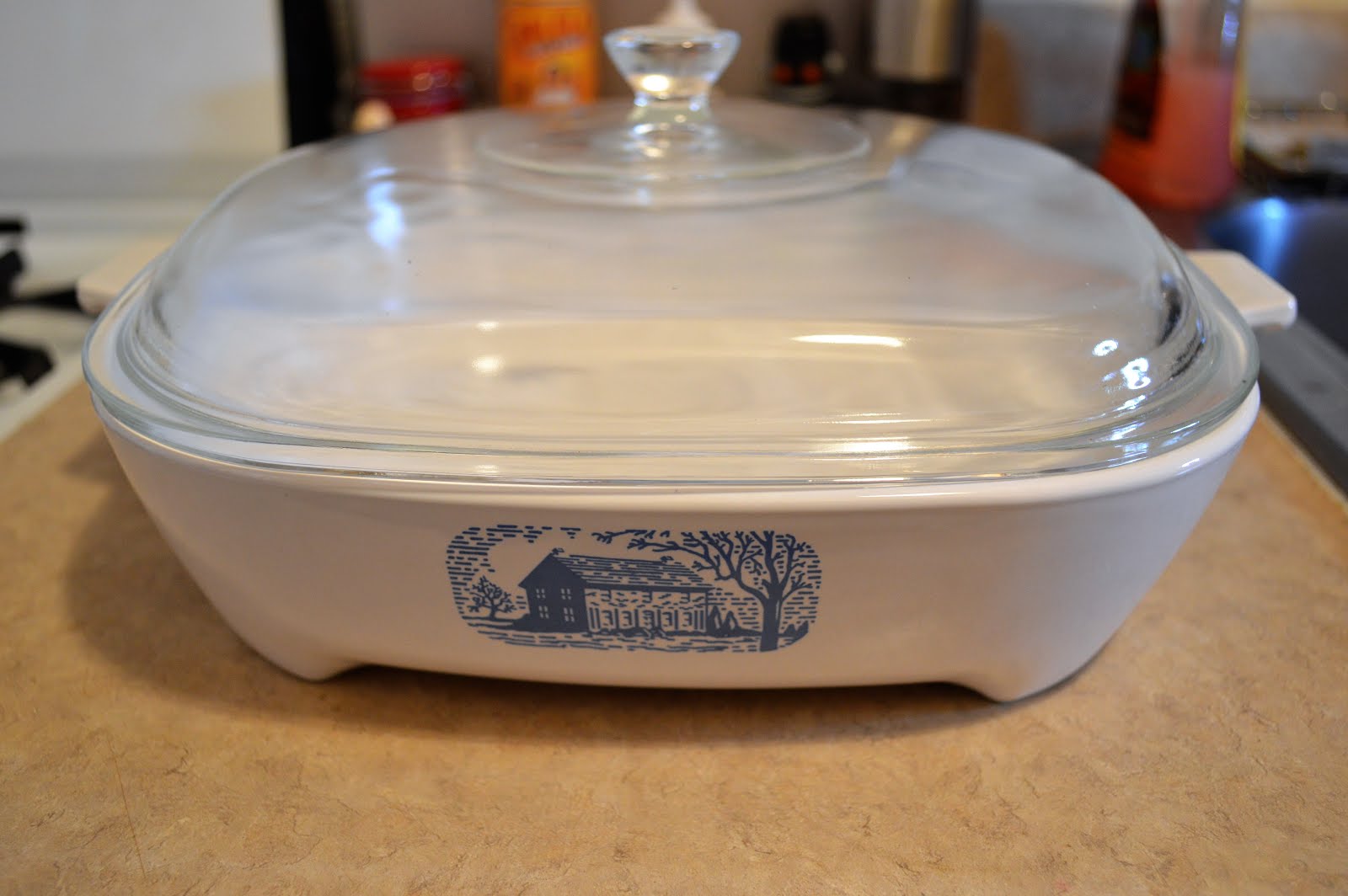
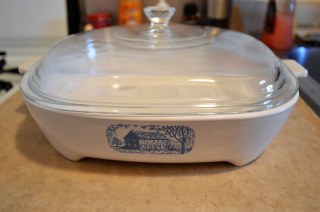
This recipe called for some specialized equipment in order to achieve a golden brown exterior.  I found my Corning Microwave Browning Skillet on ebay, but I have seen them at thrift stores and yard sales.  The Microwave Cooking for One website talks at length about the Browning Skillet: https://www.microwavecookingforone.com/Charts/Browner.html

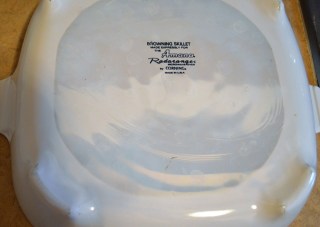
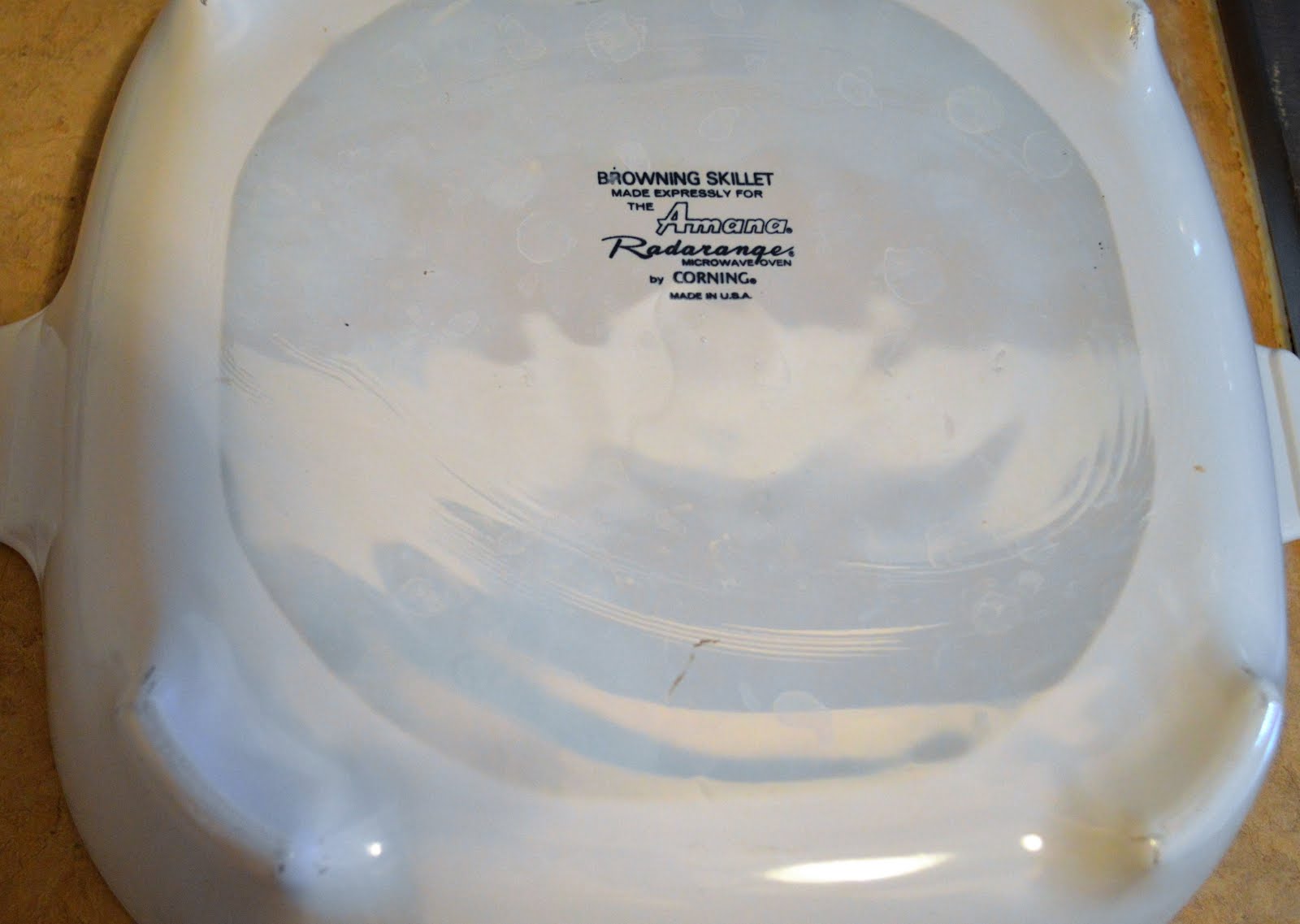
The technological advantage that Corning’s Microwave Browning Skillet has over other microwave cooking vessels is its heat conductive coating on the bottom.  Pictures of my browning skillet can be seen below.  The grey area on the bottom is the special coating to help promote browning.
 

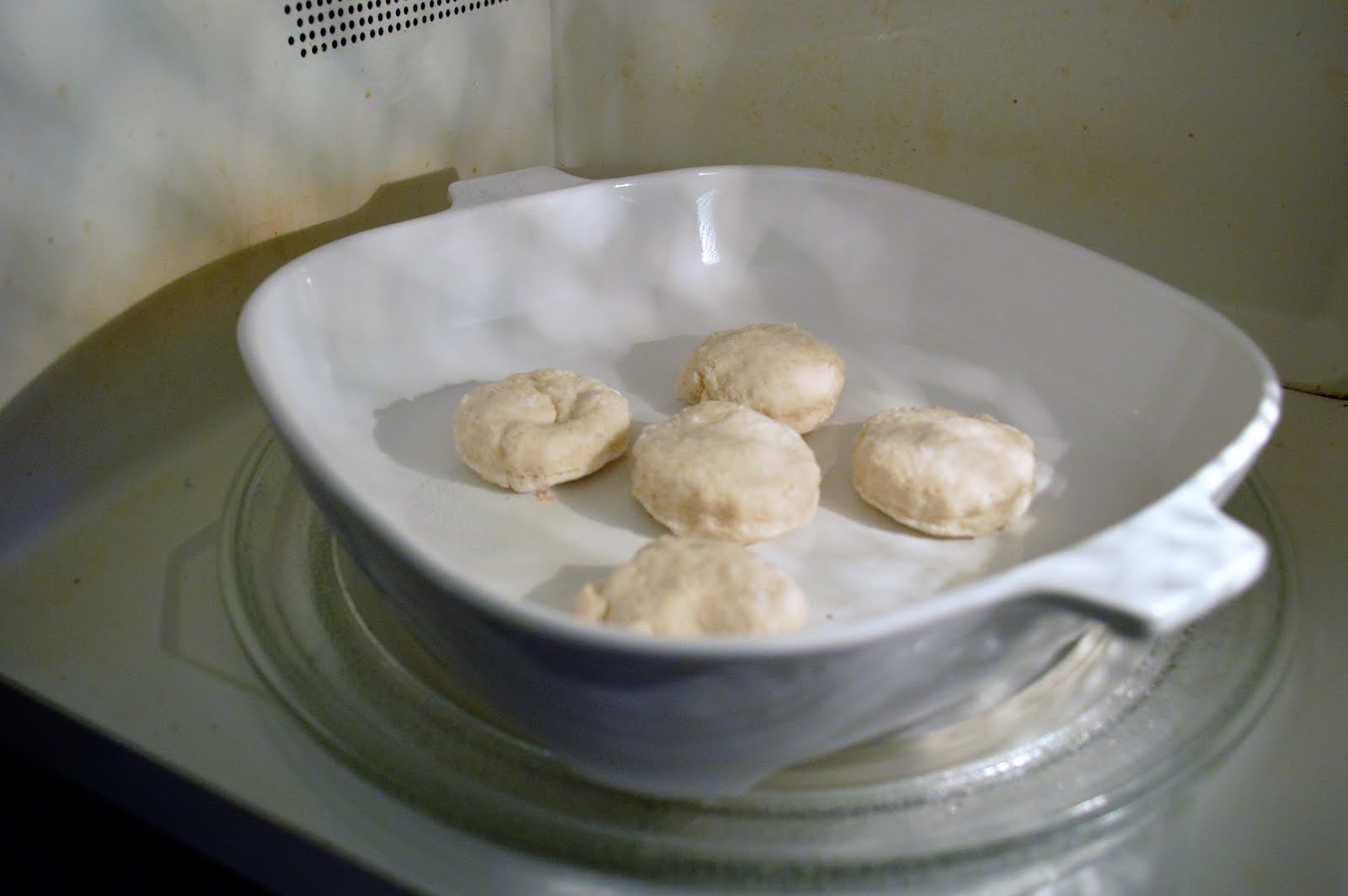
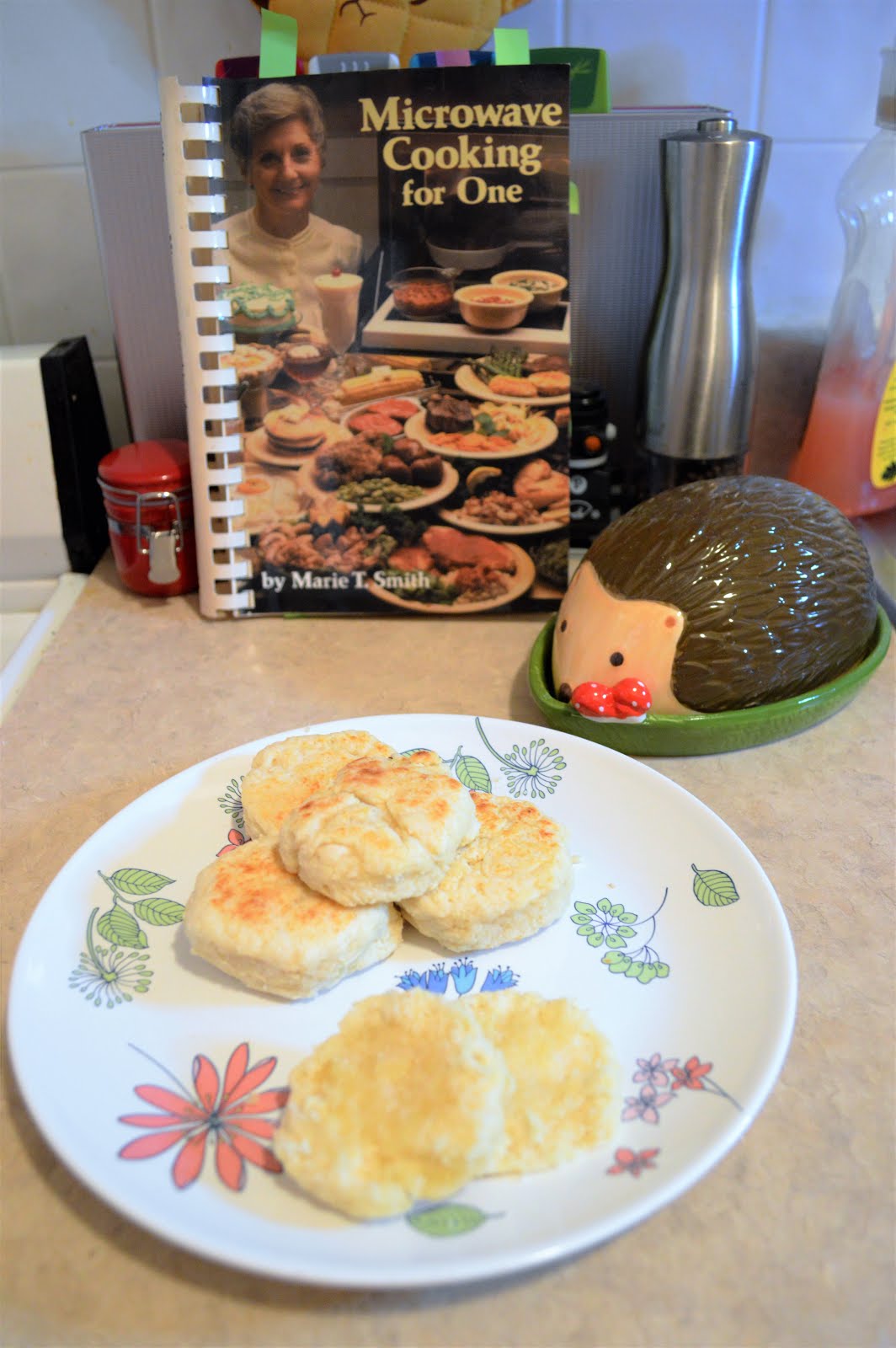
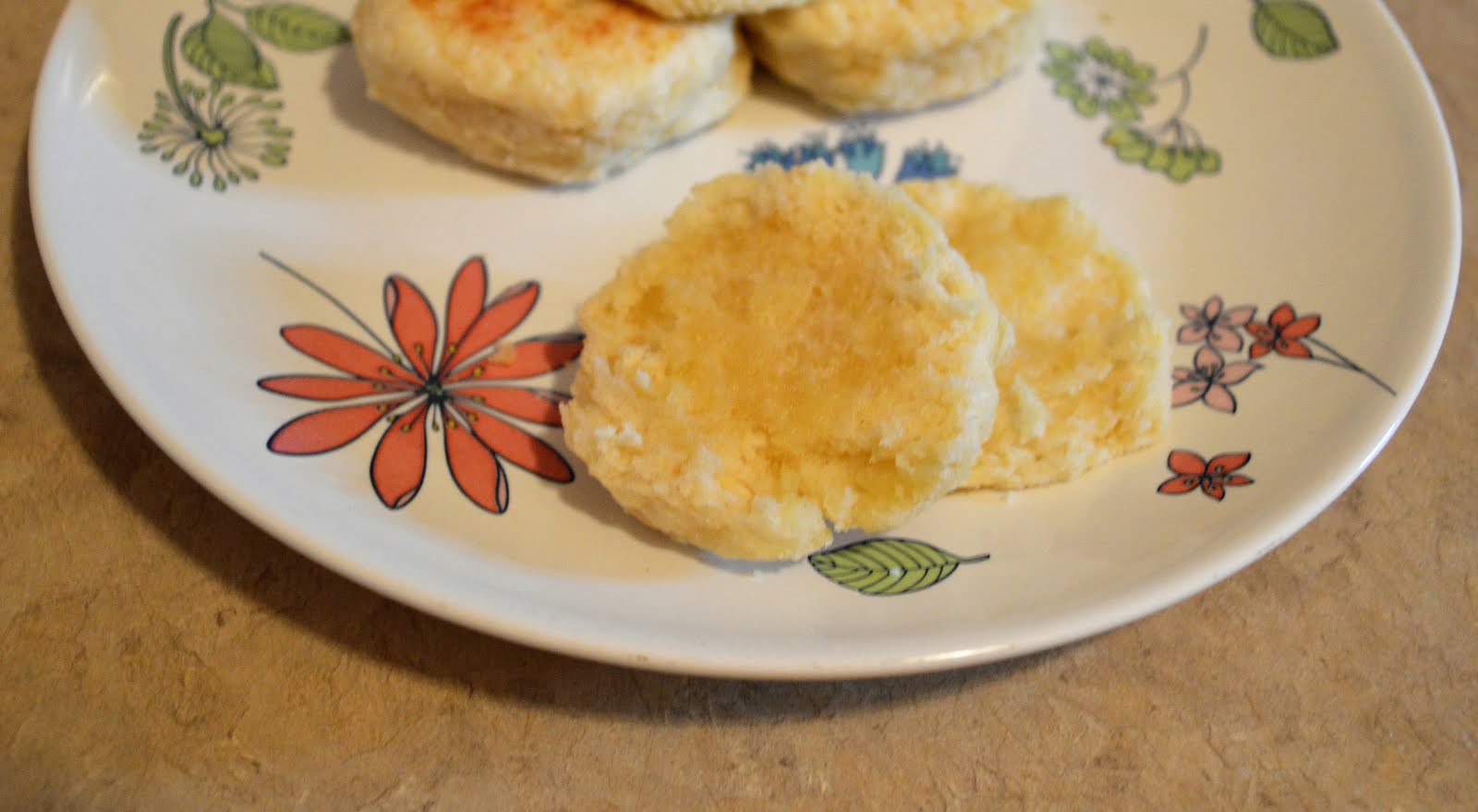
The skillet did promote browning; although, the browning was uneven and the quality was not nearly as high as I could have achieved in the oven.  At least the biscuits were flaky.

On the mess scale, this recipe was not terrible.  Aside from a few measuring cups, I only dirtied one bowl, a microplaner, the countertop, a fork, 3 mise-en-place bowls, a biscuit cutter, and the Browning Skillet.  Definitely less of a mess than last week.

Episode 1: Microwave Cooking for One (1986)

Good news everyone!  Eat at Lu’s is now a podcast.  In our first episode, we cook three recipes from Marie T. Smith’s Microwave Cooking for One, the saddest cookbook ever.

Microwave Cooking for One was published in 1986 and 2002.  I bought my copy on amazon.com, but I have seen copies at thrift stores.  I chose three recipes from the cookbook to prepare: carrot soup, mushroom loaf, and hot orange drink.  All of which were cooked in the microwave!

While this book was dubbed “the saddest cookbook ever” by SF Weekly, the history of the book is much more positive than it seems.  In this podcast, I explore the motivation of the author to share her cooking secrets with the world, and the history of the book itself.

Although Marie T. Smith passed away in 1987, her daughter carries on her legacy on the website  https://www.microwavecookingforone.com/  This website provides tips for microwave cooking, as well as some additional recipes.

Below are the results of my gustatory adventure of culinary delights:

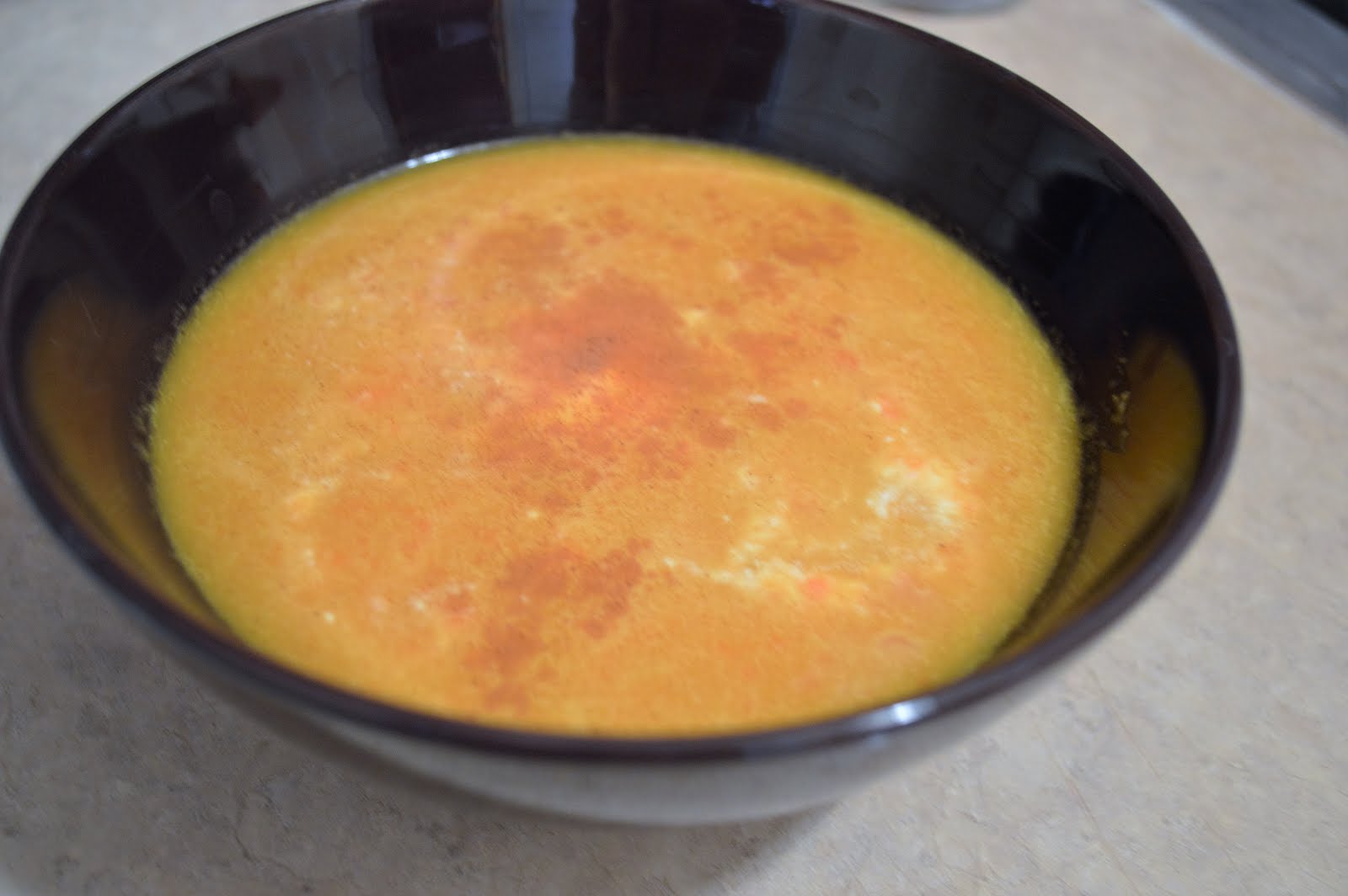
Carrot Soup with a touch of sour cream and a dash of cinnamon
Mushroom Loaf.  It is not a pretty dish.
A slice of Mushroom Loaf on a sandwich.
It is only moderately more attractive this way.
My lunch for that day: Hot Orange Drink,
Carrot Soup, and Mushroom Loaf.
My kitchen after recording.  The mess was surprisingly manageable.

About Eat at Lu’s

My name is Lisa Beiswenger, and this website is dedicated to exploring food in all its forms: the good, the bad, and the ugly.This project began in 2011 when I began to develop vegan and vegetarian recipes for my cooking blog.  In 2016, the project expanded into a podcast and blog where I cook recipes from the past.  While cooking, I explore the history, science, and social life of food and cooking.